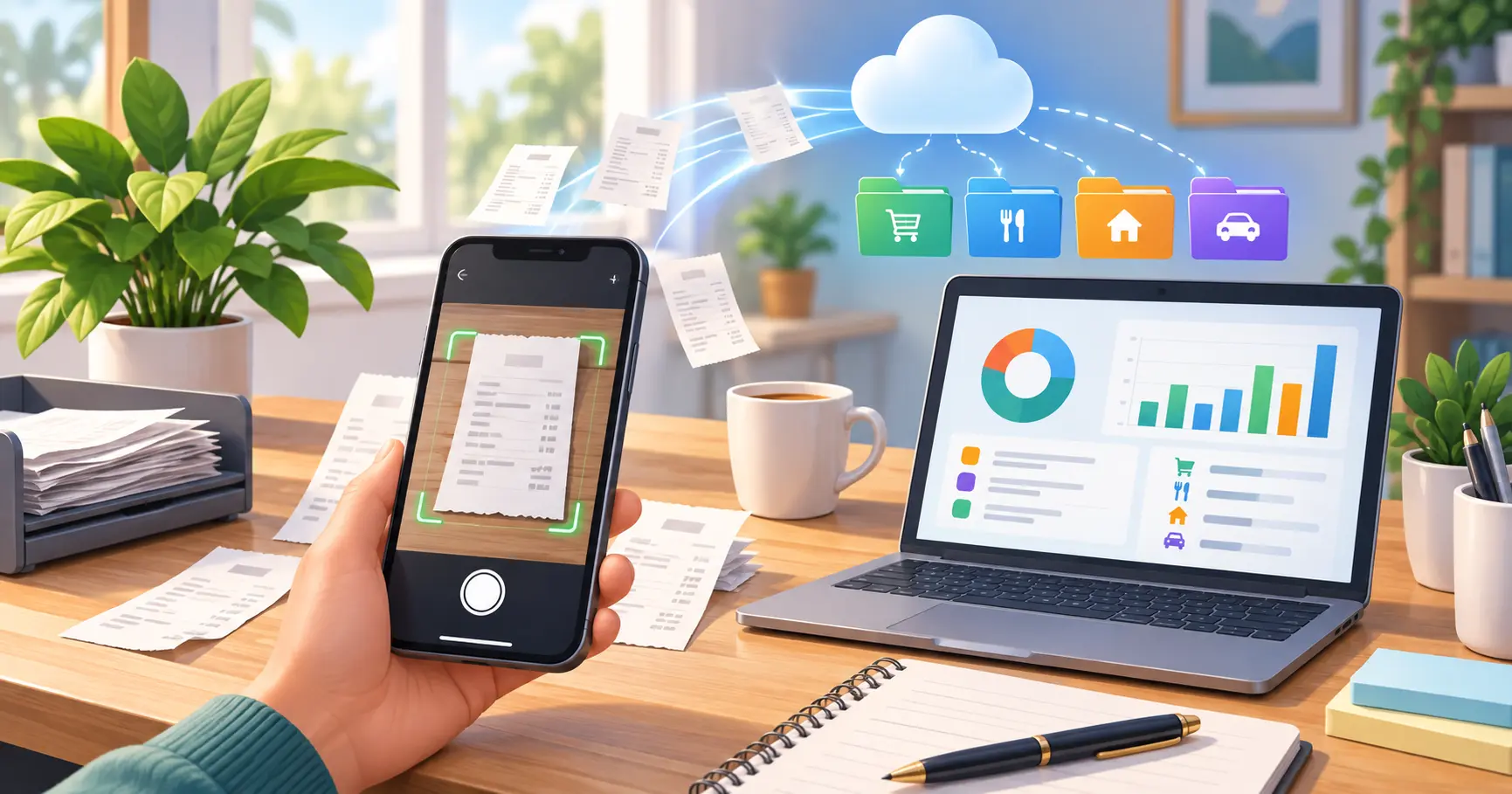
Expense Tracking
Stop chasing receipts at tax time. Learn four ways to collect paper, email, and card receipts the moment you get them.
Tips on expense tracking, CRA tax deductions, and managing your money as a Canadian freelancer or small business owner.
Stop chasing receipts at tax time. Learn four ways to collect paper, email, and card receipts the moment you get them.
Dext starts at ~$24/month with no free plan. See how iSaveBill compares on GST/HST extraction, email forwarding, and CRA-ready backup — at a third of the price.

Comparing invoice generators in 2026? Here's what actually matters — must-have features, free vs. paid tradeoffs, and picks for freelancers, small businesses, and agencies.
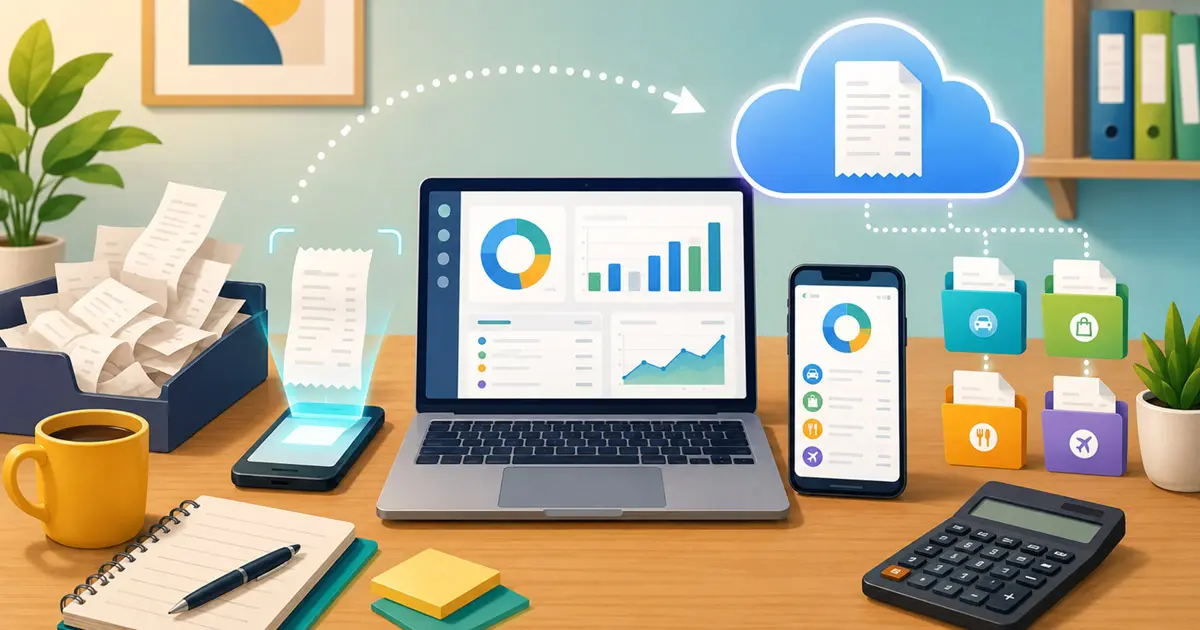
Wondering if paperless receipts are CRA-compliant? Learn the rules, common mistakes, and the easiest way to go fully paperless in 2026.
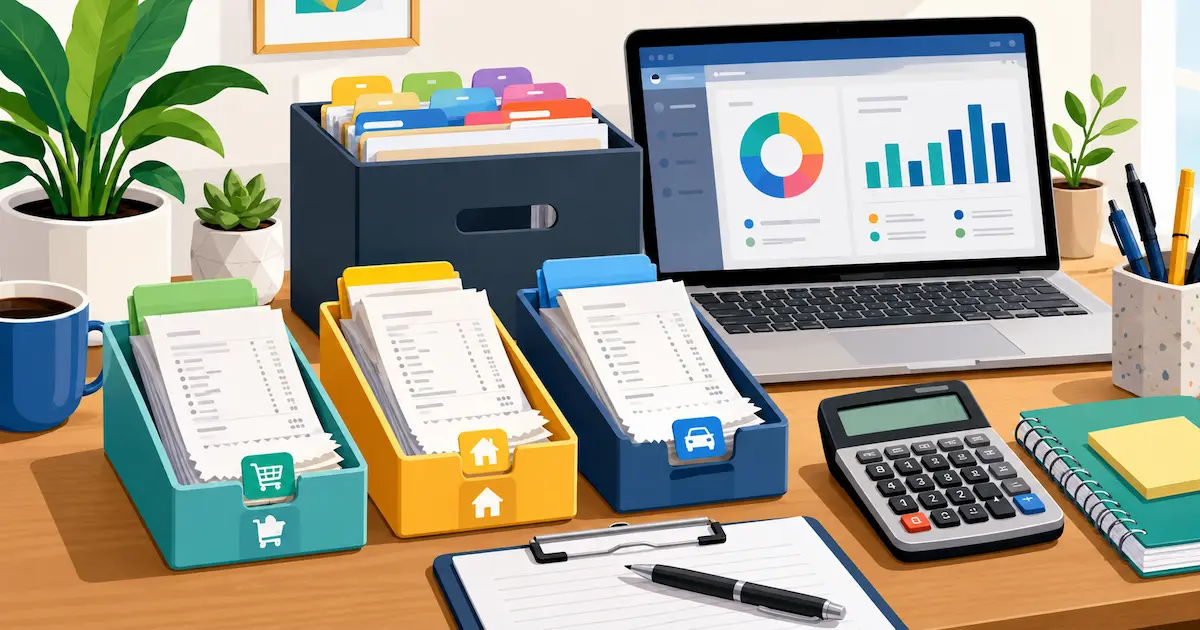
A simple receipt organizer system for freelancers and small businesses — digital vs. paper, folder structure, and how AI scanning keeps it CRA-ready.
Learn how to track expenses online in 2026 — the tools, habits, and step-by-step process freelancers and small businesses use to save time and stay CRA-ready.

How AI receipt scanners actually extract data, how accurate they really are, and what Canadian freelancers should check before trusting one with their taxes.
Looking for an expense tracker built for Canadian freelancers and small businesses? CRA-ready records, GST/HST tracking, and AI receipt scanning — here's what actually matters.
Learn the CRA bookkeeping requirements every Canadian small business must follow — and how AI tools can cut your record-keeping time by hours each month.
What every Canadian invoice must include, GST/HST requirements by invoice amount, payment terms, deposits, late fees, international client invoicing, and how to get paid faster.
The $30,000 registration threshold, HST rates by province, input tax credits, Quick Method vs Regular Method, filing deadlines, and how to track it year-round.
CRA eligibility rules, T2125 Part 7 calculation, renter vs. homeowner expense table, the CCA capital gains trap, and receipt requirements — complete guide for self-employed Canadians.

Every deduction self-employed Canadians can claim in 2026 — home office, vehicle, CPP, meals, software, and more. Complete CRA checklist with receipt tips.

We compared the top receipt scanning apps available in Canada — features, pricing, CRA compliance, and ease of use — so you can pick the right one.

The CRA has clear rules on receipt retention — and the answer might surprise you. Here's a simple breakdown of how long to keep different types of records.

CRA requires you to keep receipts for 6 years. Here's exactly what information must appear on each receipt, and the easiest way to stay organized year-round.
Everything self-employed Canadians need to know about tracking business expenses — what to record, how to organize receipts, and what CRA requires.